David Runacres, President of APAC at Broadridge, spoke to Global Trading about Japan’s capital markets and the structural, technological, and operational changes driving modernization and operational resilience.
Japan’s capital markets have shown strong momentum toward modernization. What are the key trends driving change across the market today?
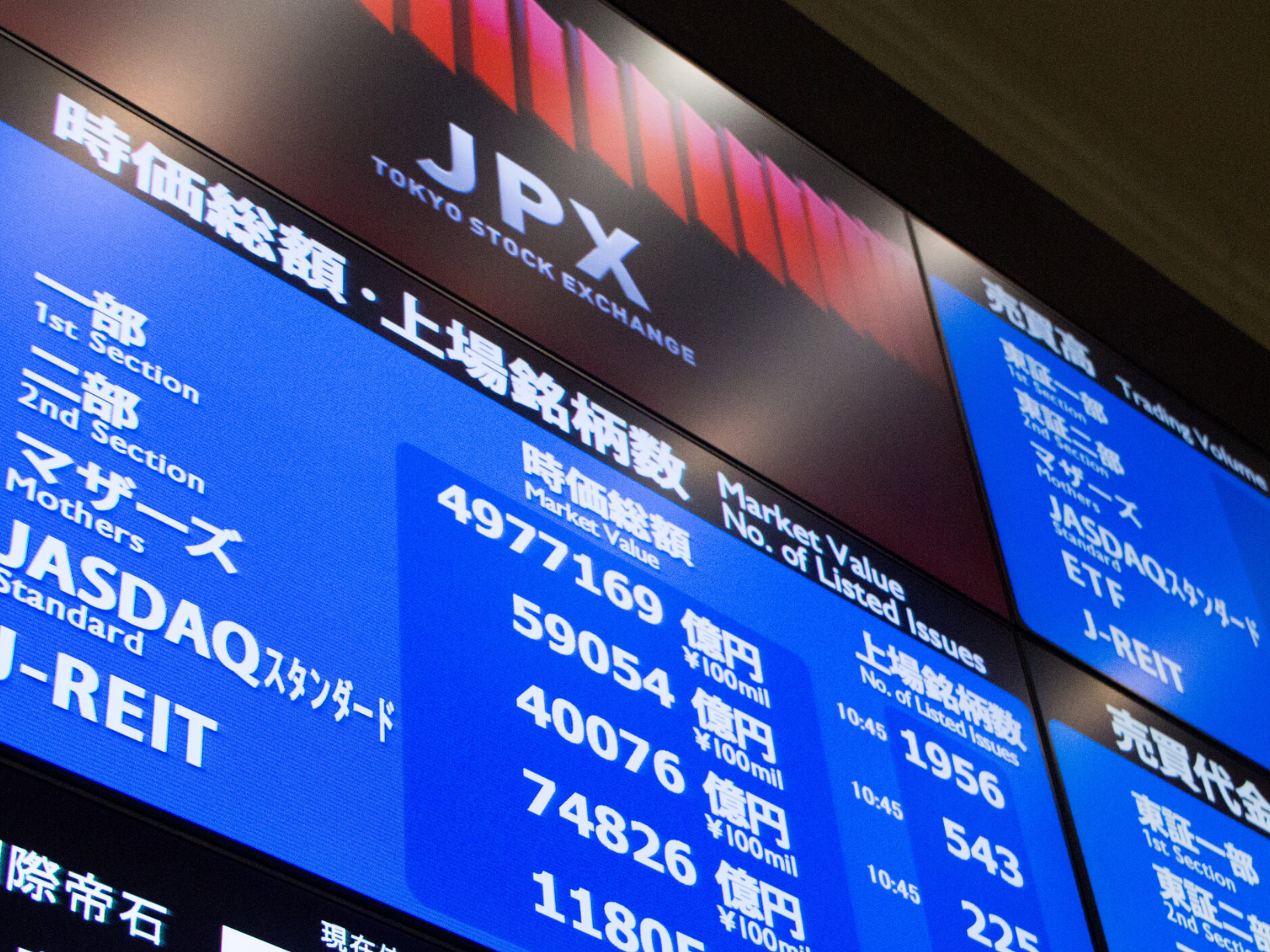
We’re working with customers on four areas. One is market activity. The Nikkei is at a record high of over 51,000 and there’s a lot of international money coming in, making it a global market. There are also structural and regulatory changes within the Japan Securities Depository Center (JASDEC) and the upcoming discussions around when T + 1 will happen in Japan and what’s needed to deliver it. The TSE is looking at moving closer to a twenty two by five trading day.
There will be an extension of the trading day at least, but it has to align with global practices. Changes to governance—things like ownership, more transparency, more investment in the NISA 2 program, and more superannuation and retirement funds looking for a home—all have an effect.
The third part is really technology and digital innovation. Japan’s markets have been more of a trend follower when it comes to technology changes, but the sheer trade volume and dealing with international markets is driving changes such as blockchain and AI requirements. Cybersecurity, which has affected Japan recently, has become a real focus.
Running through all of this is investor behavior. We’re finally seeing savings starting to move into investment in the domestic market.
That’s driven by tax incentives, digital engagement with retail investors, and also the rise of Exchange Traded Funds (ETFs). Retail investors may not focus on individual equities but view structured products like ETFs as a way to get more arbitrage on the market.
What efficiency challenges are participants encountering across the trade lifecycle in Japan?
More international firms are participating in the market than ever before, and Japan has unique regulation, infrastructure, and culture. So, one of the challenges is how to operate in this market.